
 (097) 870-51-96
  (097) 481- 42- 23
 (095) 792- 99 - 08
Vertebrobasilar Insufficiency (VBI) is a serious medical condition that occurs due to impaired blood supply to the brain through the arteries of the upper cervical spine (vertebral arteries) and the base of the brain (basilar artery). This insufficiency can lead to various neurological symptoms and complications, including stroke.
Causes of VBI:
- Atherosclerosis:
Atherosclerosis is a disease in which deposits of fat and other substances form on the inner walls of the arteries. This can lead to narrowing of the  arteries and obstructing blood flow, which may affect the brain's blood supply and cause a mild degree of VBI.
- Thrombosis:
Thrombosis, the formation of a clot in the upper cervical spine or basilar artery, can partially block blood flow. This can create conditions for a mild degree of VBI.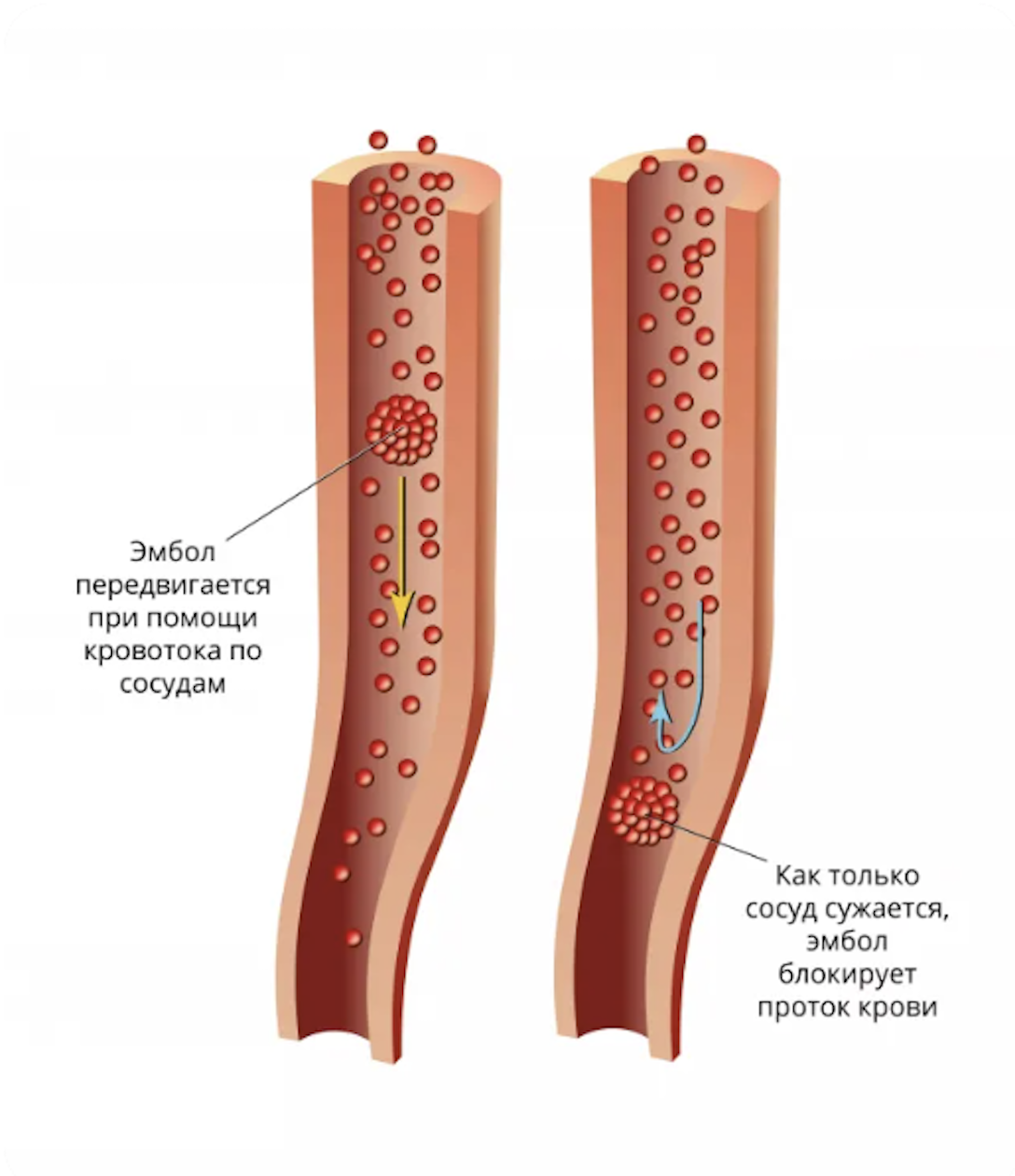
- Embolism:
Embolism is the blockage or cessation of blood flow due to the presence of emboli (such as clots, fat particles, or air bubbles) in the bloodstream. If an embolism reaches the arteries that supp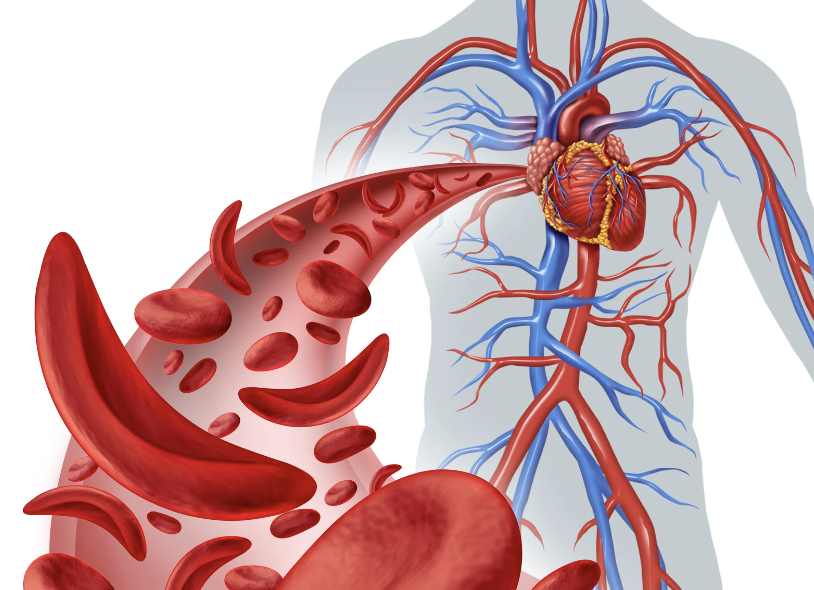 ly the brain, it can lead to a mild degree of VBI.
- Circulatory Disorders:
Any circulatory disorder in the upper cervical spine or basilar artery can cause a mild degree of VBI. This can be associated with various factors, such as high blood pressure, diabetes, certain heart diseases, or congenital artery anomalies.
 Overall, mild vertebrobasilar insufficiency can have multiple causes, and it is important to consult a doctor for diagnosis and treatment planning to prevent further deterioration.
Symptoms of mild VBI may include:
- Dizziness and vertigo: May occur intermittently, especially with sudden changes in body position.
- Visual disturbances: Mild blurring or flickering before the eyes, slight double vision.
- Weakness in limbs: Impaired sensation or slight weakness in the arms or legs.

- Headache: Characterized as mild or pressing, with varying frequency.
- Slight loss of coordination: Possible balance issues or mild difficulties in performing coordinated tasks.
Diagnosis of vertebrobasilar insufficiency (VBI) may involve various methods that help doctors assess the condition of the arteries in the upper cervical spine and the base of the brain. Some of the most common diagnostic methods for VBI include: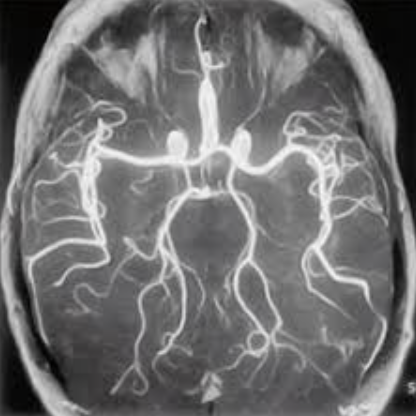
- Magnetic Resonance Angiography (MRA):
MRA is a non-invasive imaging method that uses magnetic fields and radiofrequency waves to obtain detailed images of the blood vessels. This method allows doctors to assess the condition of the arteries and detect any narrowing or blockage of blood flow, which may be related to VBI.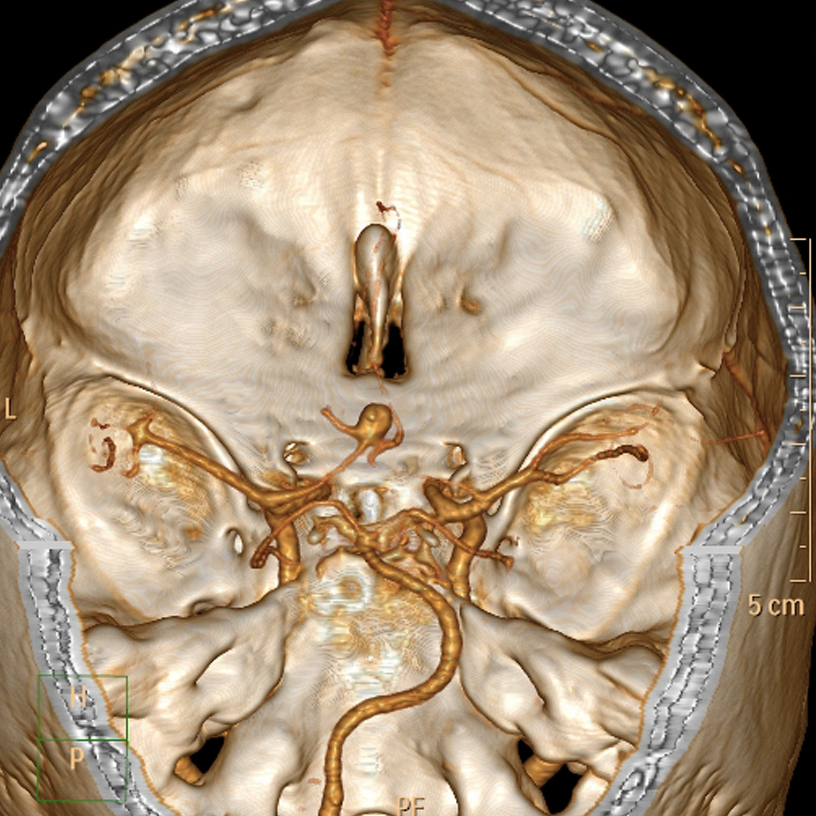
- Computed Tomography (CT) Angiography:
CT angiography uses X-rays and computer processing to create detailed images of the blood vessels. This method also allows assessment of the arteries and detection of possible blood flow disorders.
- Ultrasound Duplex Scanning (USD):
USD uses high-frequency sound waves to visualize blood flow in the vessels. This method can help detect arterial narrowing and assess blood flow speed,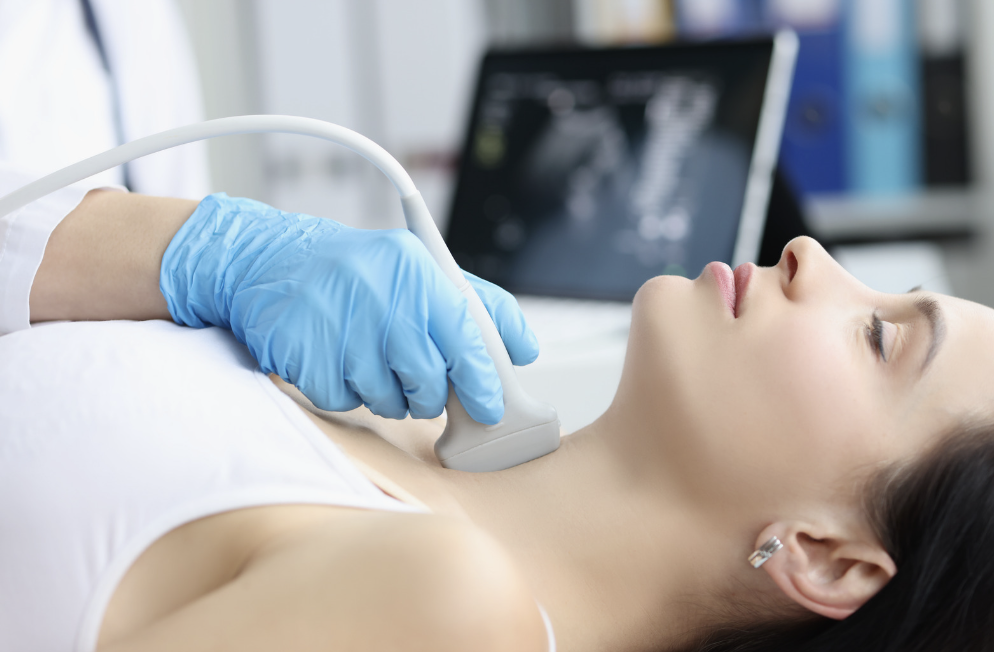 aiding in the diagnosis of VBI.
- Duplex Scanning:
Duplex scanning combines USD with Doppler ultrasound to obtain images of the vessels and evaluate blood flow. This method can be useful in determining the degree of arterial narrowing and assessing blood supply to the brain.
- Clinical Examination and Medical History:
The doctor may also conduct a clinical examination, assess symptoms, and evaluate risk factors that could indicate vertebrobasilar insufficiency.
Treatment of mild VBI usually includes:
- Monitoring and observation: The doctor may recommend regular monitoring of symptoms and changes in condition to detect deterioration in a timely manner.
- Lifestyle changes: Healthy eating, quitting smoking, physical
 activity, and stress management can help improve circulation.
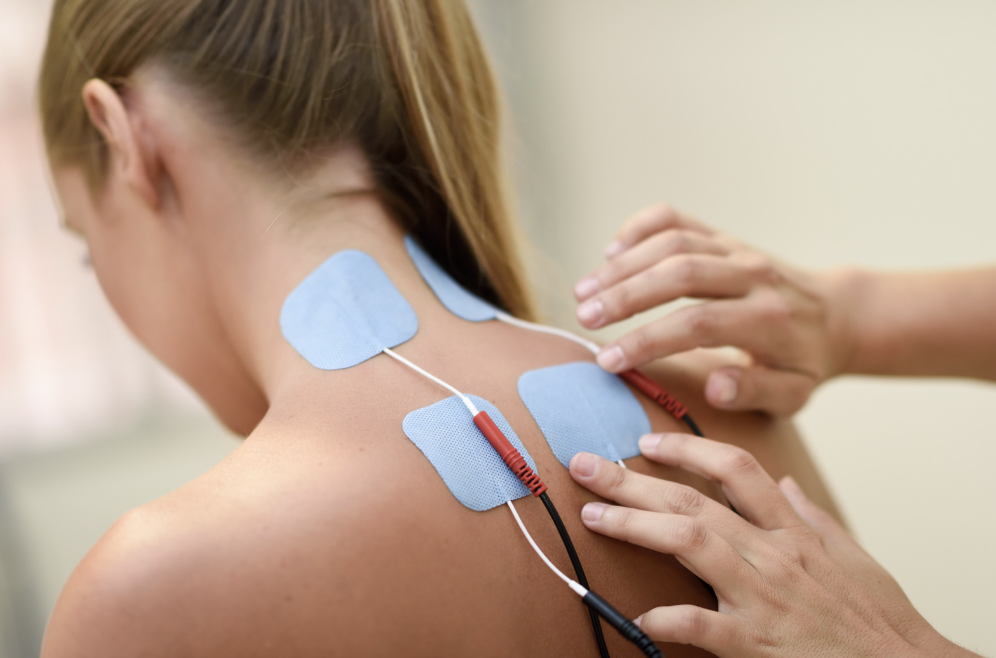
 - Physical therapy: Exercises to improve muscle tone, coordination, and balance.
- Medication: Medications that help reduce the risk of clots and improve circulation.
It is important to remember that even mild vertebrobasilar insufficiency requires attention and timely treatment to prevent further deterioration and complications. Regular consultations with a doctor and adherence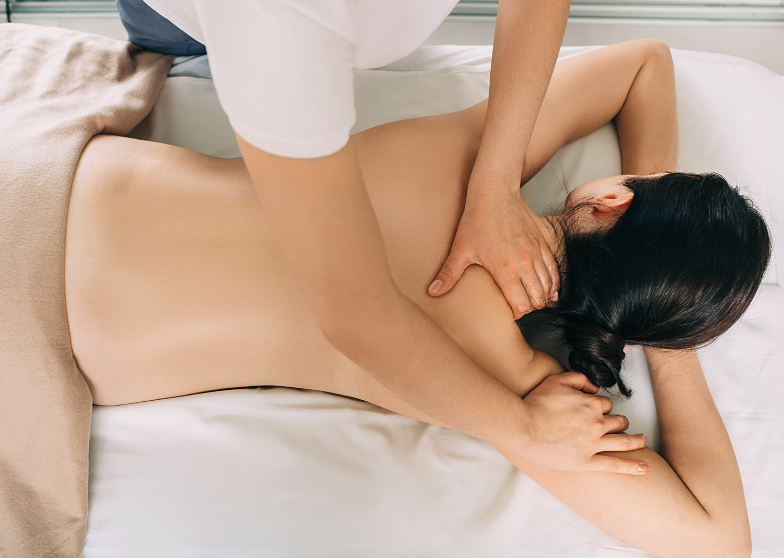 to recommendations can help manage this condition.
Massage and therapeutic physical exercises can be beneficial methods in the comprehensive treatment of vertebrobasilar insufficiency (VBI), but it is essential to consult a doctor before starting any treatment. Below is information about these methods:
Massage:
Massage can help relieve muscle tension, improve blood circulation, and reduce stress. In the case of VBI, massage can target the relaxation of the neck and back muscles, which can ease tension that may affect blood supply.
Massage techniques for VBI may include:
- Light deep movements: Gentle deep strokes can help relax tense muscles.
- Muscle-relaxing massage: This type of massage focuses on relaxing muscles that may be compressing arteries and restricting blood flow.
Therapeutic Physical Exercises:
Therapeutic physical exercises can be an effective method to improve muscle tone, coordination, mobility, and blood circulation. In the case of VBI, it is important to choose exercises that are safe and help improve the condition.
Some recommendations for therapeutic exercises for VBI:
- Stretching: Stretching exercises can help improve muscle flexibility and reduce tension.
- Strength exercises: Exercises to strengthen the muscles of the back and neck can help maintain proper posture and reduce tension.
Important to remember:
- Consult a doctor: Before starting any massage procedures or exercises, it is necessary to consult a doctor.
- Individual approach: The selection of massage techniques and exercises should consider the individual characteristics and condition of the patient.
Considering individual features and the doctor's recommendations, massage and therapeutic exercises can be useful methods in the comprehensive treatment of vertebrobasilar insufficiency.
When making important decisions, there is often a need to consult with experts in the necessary field. But when a medical consultation is needed, who should you turn to? The Kryvyi Rih "Marusych" Wellness and Rehabilitation Center is reliable help in solving health problems!
Our principles are high-quality diagnostics, creating comfortable conditions for the patient, and using effective treatment and rehabilitation methods. Our staff consists of highly qualified specialists who continue to improve their skills and regularly participate in seminars and medical forums.
The medical center specializes in treating diseases of the musculoskeletal system, nervous system, and other diseases and syndromes. Correction of appearance defects is also carried out using aesthetic medicine methods in accordance with European standards.
The application of various treatment methods in combination allows for achieving maximum results in a short period of time, is safe, and the effect lasts for a long time. If you trust someone with your health, it should only be professionals!
