
 (097) 870-51-96
  (097) 481- 42- 23
 (095) 792- 99 - 08
Rehabilitation After Injury: The Road to Recovery
Injuries can significantly impact the quality of life and functionality of affected individuals. However, thanks to rehabilitation programs, people have the opportunity to restore their physical and psychological abilities after an injury and return to an active and independent life.
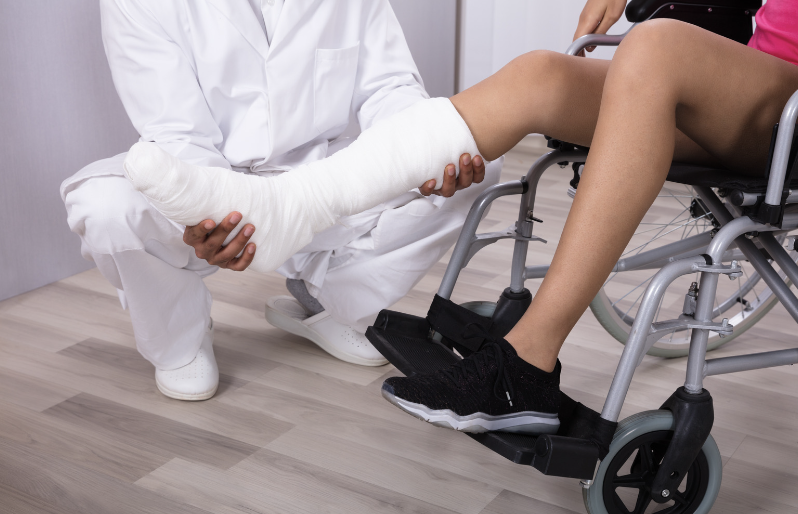 Rehabilitation after injury is a comprehensive process that includes physiotherapy, working with a rehabilitation doctor, psychological support, and other methods.
One of the key components of rehabilitation after injury is physiotherapy. Physiotherapists use various techniques and procedures to improve functional status and reduce pain.
Massage and therapeutic exercise (TE) play an important role in the rehabilitation process after injury, promoting the restoration of functions and improving the quality of life of affected individuals.
Massage has several beneficial effects on the body. It helps improve blood and lymphatic circulation, which helps to reduce inflammation, remove toxins, and improve tissue nutrition. Massage also helps reduce muscle tension, relax muscles, and increase their flexibility. This is especially important after an injury when muscles may be contracted or tight due to pain or lack of movement.
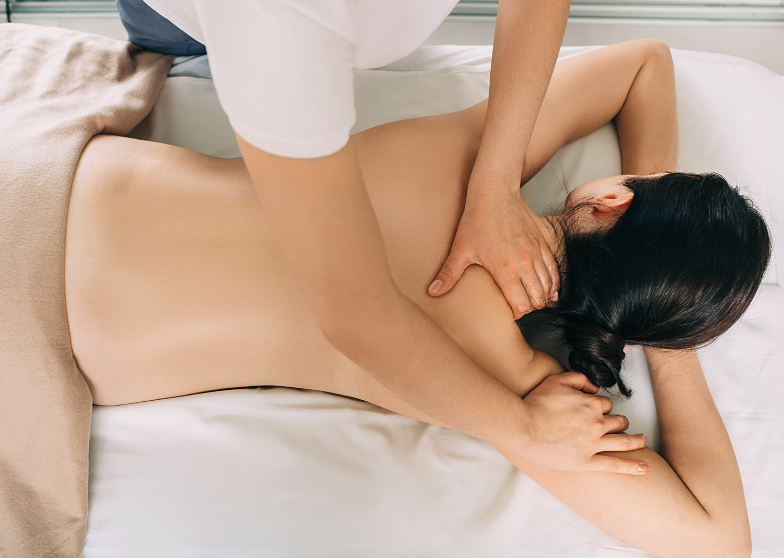 Massage can be applied for specific purposes depending on the type of injury and the condition of the affected individual. For example, light massage can be used to improve blood circulation and reduce swelling in the area of the injury. Deeper massage can be used to relax contracted muscles and improve their mobility. Massage can also help reduce pain and improve overall well-being.
Therapeutic exercise, or physical rehabilitation, is also an important part of the rehabilitation process. TE involves developing an individualized program of exercises and activities aimed at restoring functional status and improving motor coordination, strength, and endurance. 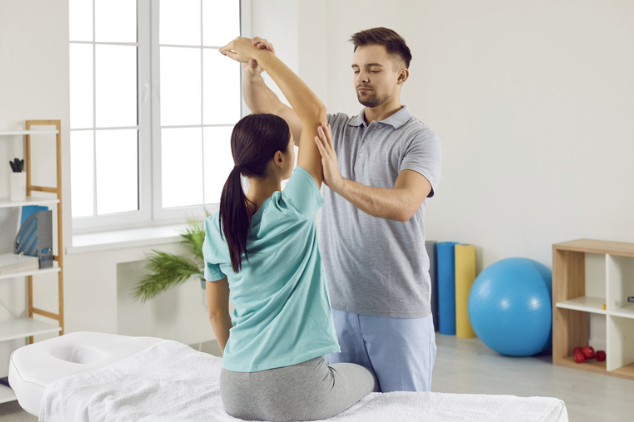
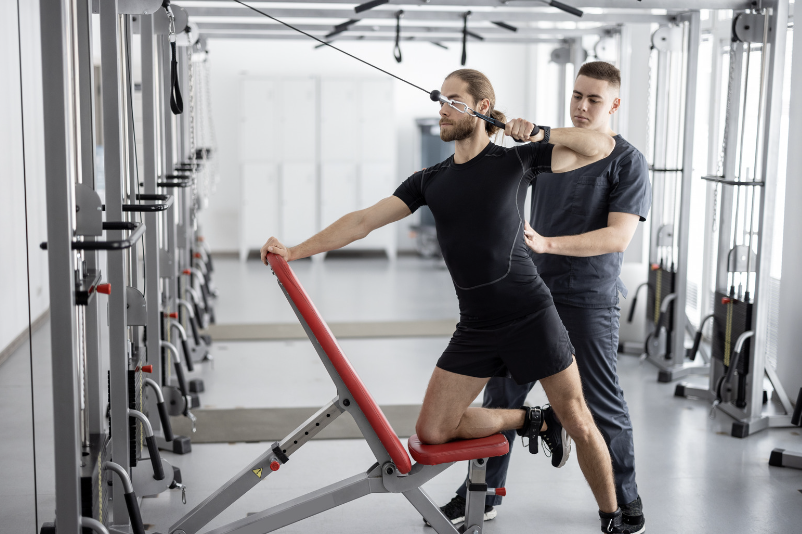
Exercise can be targeted to improve the mobility of specific body segments, such as the arms or legs, or for general physical conditioning. Exercises may include stretching, strengthening, coordination exercises, and balance training. TE may also involve the use of special equipment, such as exercise machines or rehabilitation robotics, to improve the effectiveness of the exercises and ensure patient safety.
Therapeutic exercise has several benefits in the rehabilitation process. It helps improve blood circulation, strengthen muscles, and increase range of motion. TE exercises help restore coordination of movement, improve stability, and balance muscle strength. They also help reduce the risk of re-injury by improving joint stability and overall fitness.
In addition to the physical benefits, massage and therapeutic exercise can have a positive impact on the psychological state of the affected individual. They help reduce stress, improve mood, and overall well-being. Regular massage sessions and TE exercises can also help with psychological adaptation to the injury and increase motivation for active participation in the rehabilitation process.
It is important to note that massage and TE should be performed under the guidance and supervision of qualified professionals, such as physiotherapists or massage therapists. They will be able to develop an individualized rehabilitation program, taking into account the type of injury, the patient's condition, and their needs.
The rehabilitation doctor plays an important role in managing the rehabilitation process. They assess the patient's condition, set rehabilitation goals, and develop an individualized treatment plan. The rehabilitation doctor works with other specialists, such as physiotherapists, massage therapists, and psychologists, to ensure a comprehensive and coordinated approach to rehabilitation. They also provide patients with the necessary medical support and advice aimed at improving their condition and restoring function.
 In addition, rehabilitation programs may include other methods and services to improve the quality of life of affected individuals.
- Social workers can provide advice on obtaining social services, maintain contact with family and friends, and help with the organization of daily life.
- Technological innovations, such as prostheses, orthoses, and developments in the field of rehabilitation robotics, can also provide affected individuals with new opportunities to restore function and independence.
 Rehabilitation after injury can help affected individuals return to an active and fulfilling life.
Through physical therapy, work with a rehabilitation therapist, psychological support and other methods, people can regain physical and psychological function, find new coping strategies and return to a full life.
You can undergo rehabilitation after injuries, endoprosthetics, intervertebral hernias and protrusions, stroke, MRI, shrapnel wounds, polyneuropathy in Krivoy Rog, at the qualified medical rehabilitation center "Marusich"!
Get your life back without pain!
