
 (097) 870-51-96
  (097) 481- 42- 23
 (095) 792- 99 - 08
Rehabilitation of patients after a stroke: the effect of massage, physical therapy, and physical therapy on the recovery process
A stroke is a serious medical condition that can lead to impaired movement, speech, and other serious health problems. After a stroke, patients need comprehensive treatment and rehabilitation to return to a full life. One of the key methods of rehabilitation is massage, physical therapy, and physical therapy, which contribute to the restoration of body functions and improvement of patients' quality of life.
A stroke is a serious medical condition that can lead to impaired movement, speech, and other serious health problems. After a stroke, patients need comprehensive treatment and rehabilitation to return to a full life. One of the key methods of rehabilitation is massage, physical therapy, and physical therapy, which contribute to the restoration of body functions and improvement of patients' quality of life.

The role of massage in rehabilitation after a stroke
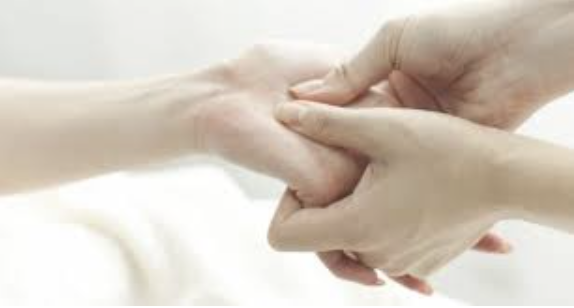
Massage plays an important role in the rehabilitation of stroke patients. This type of therapy improves blood circulation, relaxes muscles, reduces spasms and increases muscle tone. Massage helps to restore sensitivity in affected areas of the body, improve joint mobility and reduce pain. During the massage, various techniques are used, aimed at improving the body functions and general well-being of the patient.
 Physical therapy for the restoration of motor functions
Physical therapy is a necessary element of rehabilitation after a stroke. Exercises specially designed for stroke patients help restore motor functions, coordination and muscle tone. These exercises are aimed at strengthening muscles, improving body flexibility and restoring lost skills. Regular physical therapy classes help patients recover body functions faster and return to their usual way of life.
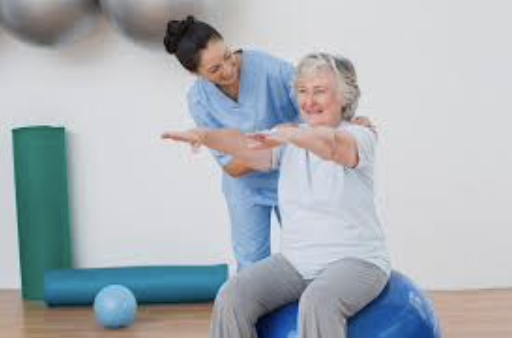 After a stroke, it is important to choose physical therapy exercises that will help restore motor functions, coordination, and muscle tone. Some of the most effective exercises include:
1. Exercises for coordination:
- Static stability exercises: while standing or sitting, keep your arms or legs in a certain position.
- Exercises to improve balance: standing on one leg or performing movements that require maintaining balance.
2. Exercises to strengthen muscles:
- Exercises with handles or dumbbells: lifting weights to strengthen arm muscles.
- Exercises for the legs: flexion and extension of the legs in a sitting or lying position.

3. Exercises to improve body mobility:
- Stretching exercises: movements aimed at improving the flexibility of joints and muscles.
- Exercises for the mobile apparatus: bending and straightening the arms, spreading and raising the legs.
4. Exercises for the development of cognitive functions:
- Exercises for memory and attention: performing tasks that require concentration and memory.
- Exercises for speech: exercises to improve speech and articulation of words.
5. Exercises to improve the functions of the upper and lower limbs:
- Limb Selection Exercises: performing movements that help improve control and strength in the limbs.
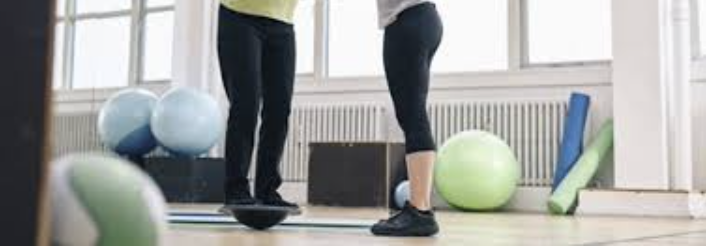
These exercises can be adapted to the individual needs of each patient, taking into account their physical condition and capabilities. It is important to consult with a doctor or rehabilitation specialist to develop an individualized exercise program that will be most effective for a specific case after a stroke.
The influence of physioprocedures on the recovery process
Physiotherapy, such as electrical stimulation, ultrasound therapy, laser therapy and other methods, also play an important role in stroke rehabilitation. These procedures help reduce inflammation, pain and spasms, improve blood microcirculation and promote faster tissue recovery. Physiotherapy can be an effective supplement to massage and physical therapy, contributing to the overall recovery process of patients after a stroke.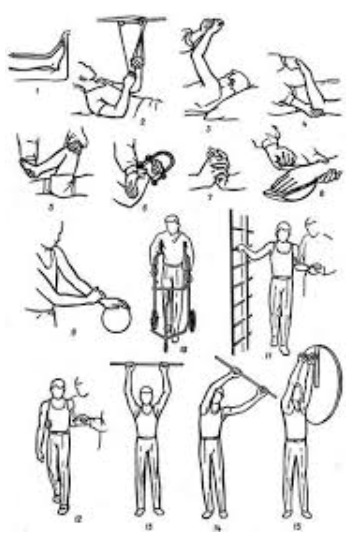
The frequency and intensity of exercises after a stroke can vary depending on the patient's condition, his physical capabilities and the recommendations of a doctor or rehabilitation specialist. However, general recommendations can look like this:
1. Regularity: Exercises are recommended to be performed regularly, preferably daily or at least 3-4 times a week. Gradually increase the time of training and the number of repetitions.
2. Duration: Each physical therapy session can last from 20 to 60 minutes, depending on the physical capabilities of the patient.
3. Intensity: Start with easier exercises and gradually move to more difficult ones. It is important to feel a little effort during performance, but avoid painful sensations.
4. Breaks and rest: It is important to listen to your body and give it time to recover. Take breaks during exercise, especially if you feel tired or uncomfortable.
5. Continuous monitoring: Continuously monitor your progress, respond to any changes in physical condition and report them to the rehabilitation specialist.
It is always best to consult with a physician or rehabilitation specialist for specific recommendations regarding the frequency, duration, and intensity of exercise to achieve optimal results in your particular case.
Rehabilitation of patients after a stroke requires an individual approach and a comprehensive treatment plan. Massage, physical therapy and physiotherapy are important elements of successful rehabilitation, aimed at improving body functions and quality of life of patients after a stroke. An important component is the systematicity and regularity of the procedures, which help to achieve better results in the recovery process.
In Kryvyi Rih there is a modern rehabilitation center "Marusych", where patients can undergo complex rehabilitation after various diseases and injuries, including stroke.
The following types of rehabilitation are provided in the "Marusych" center:
Physiotherapy:
- Individual training to restore motor functions.
- Massage to improve blood circulation and relieve muscle tension.
Therapeutic gymnastics:
- Specially selected exercises to strengthen muscles and improve coordination.
The "Marusych" Center offers an individual approach to each patient, developing a rehabilitation program that takes into account his needs and capabilities. A team of professionals provides high-quality and competent assistance in restoring functions after diseases and injuries, helping patients to return to a full life.
The influence of physioprocedures on the recovery process
Physiotherapy, such as electrical stimulation, ultrasound therapy, laser therapy and other methods, also play an important role in stroke rehabilitation. These procedures help reduce inflammation, pain and spasms, improve blood microcirculation and promote faster tissue recovery. Physiotherapy can be an effective supplement to massage and physical therapy, contributing to the overall recovery process of patients after a stroke.
The frequency and intensity of exercises after a stroke can vary depending on the patient's condition, his physical capabilities and the recommendations of a doctor or rehabilitation specialist. However, general recommendations can look like this:
1. Regularity: Exercises are recommended to be performed regularly, preferably daily or at least 3-4 times a week. Gradually increase the time of training and the number of repetitions.
2. Duration: Each physical therapy session can last from 20 to 60 minutes, depending on the physical capabilities of the patient.
3. Intensity: Start with easier exercises and gradually move to more difficult ones. It is important to feel a little effort during performance, but avoid painful sensations.
4. Breaks and rest: It is important to listen to your body and give it time to recover. Take breaks during exercise, especially if you feel tired or uncomfortable.
5. Continuous monitoring: Continuously monitor your progress, respond to any changes in physical condition and report them to the rehabilitation specialist.
It is always best to consult with a physician or rehabilitation specialist for specific recommendations regarding the frequency, duration, and intensity of exercise to achieve optimal results in your particular case.
Rehabilitation of patients after a stroke requires an individual approach and a comprehensive treatment plan. Massage, physical therapy and physiotherapy are important elements of successful rehabilitation, aimed at improving body functions and quality of life of patients after a stroke. An important component is the systematicity and regularity of the procedures, which help to achieve better results in the recovery process.
In Kryvyi Rih there is a modern rehabilitation center "Marusych", where patients can undergo complex rehabilitation after various diseases and injuries, including stroke.
The following types of rehabilitation are provided in the "Marusych" center:
Physiotherapy:
- Individual training to restore motor functions.
- Massage to improve blood circulation and relieve muscle tension.
Therapeutic gymnastics:
- Specially selected exercises to strengthen muscles and improve coordination.
The "Marusych" Center offers an individual approach to each patient, developing a rehabilitation program that takes into account his needs and capabilities. A team of professionals provides high-quality and competent assistance in restoring functions after diseases and injuries, helping patients to return to a full life.
