
 (097) 870-51-96
  (097) 481- 42- 23
 (095) 792- 99 - 08
Rehabilitation after Joint Replacement: Restoring Function and Quality of Life
Joint replacement, or endoprosthetics, is an effective method of treating joint diseases and injuries such as osteoarthritis, rheumatoid arthritis, or traumatic injuries. This procedure allows patients to return to an active lifestyle and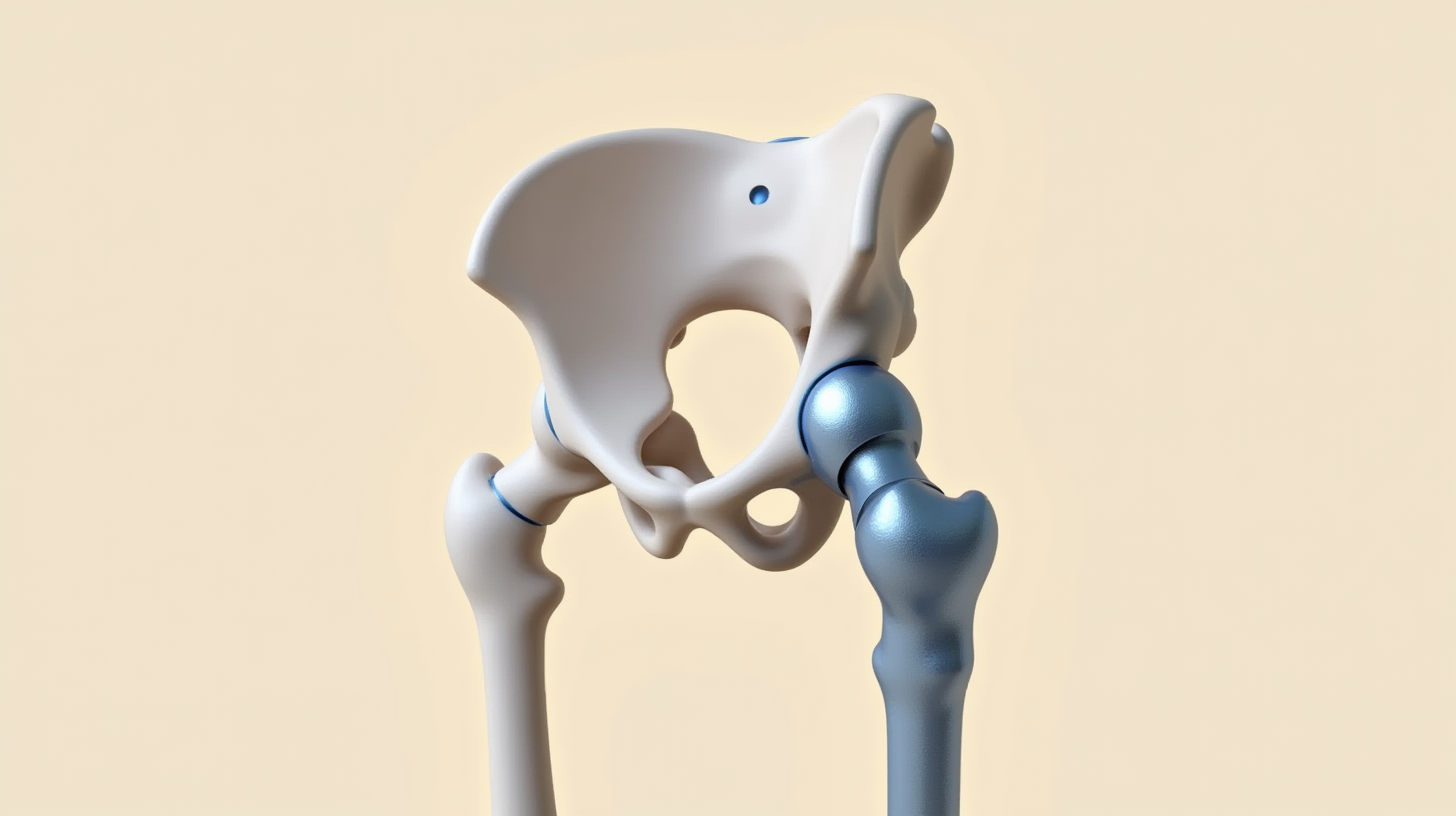 eliminate the pain that accompanies joint disease. However, successful endoprosthetics also requires effective rehabilitation, which helps patients restore functionality and return to a full life. In this article, we will discuss the key aspects of rehabilitation after joint replacement.
The use and importance of massage techniques, therapeutic exercises, and physiotherapy procedures in rehabilitation after joint replacement are crucial for the successful restoration of functionality and the return to an active lifestyle. These methods help patients improve mobility, strengthen muscles, reduce pain, and prevent complications.
-
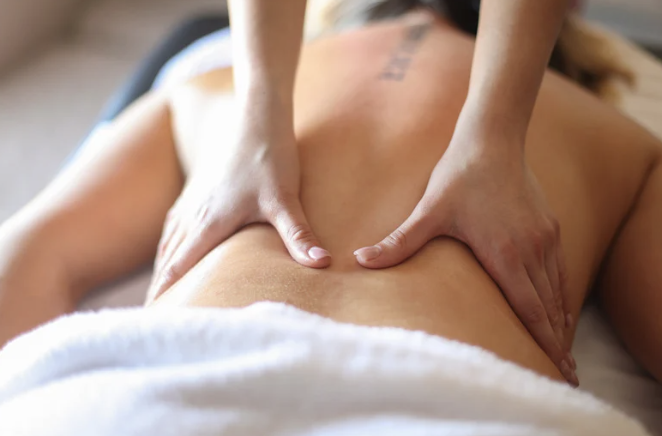
Massage: Massage involves physical manipulation of body tissues, improving blood circulation, relieving muscle tension, reducing swelling, and enhancing tissue health. In rehabilitation after joint replacement, massage can be applied to relax muscles around the operated joint, improve mobility, relieve pain, and reduce inflammation. Massage also promotes tissue healing and reduces scarring that may occur after surgery.
-
Therapeutic Exercises: Therapeutic exercises or physical therapy include a set of specially selected exercises that help restore strength, flexibility, and joint mobility after joint replacement. These exercises are performed under the supervision of a physical therapist, who develops an individual program considering the patient's abilities and needs. Therapeutic exercises help strengthen muscles, improve coordination, maintain joint stability, and prevent joint deformities.
-
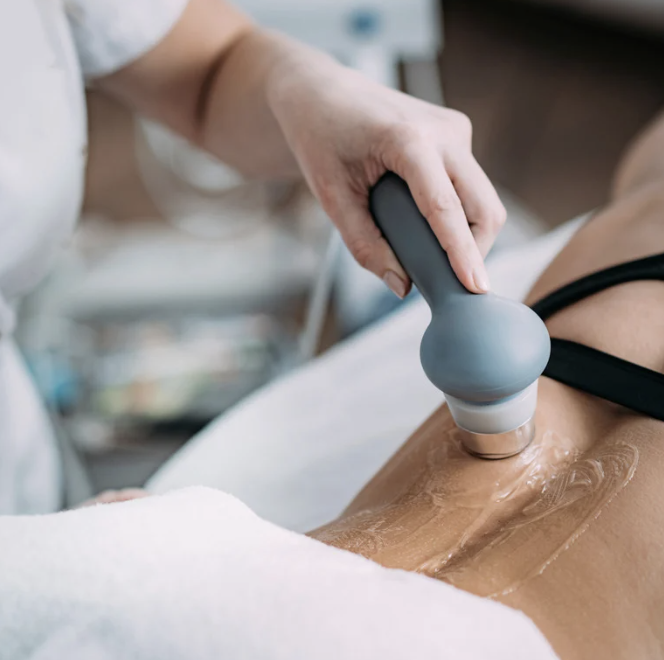
Physiotherapy Procedures: Physiotherapy procedures such as electrical stimulation, ultrasound therapy, laser therapy, and others can be used in rehabilitation after joint replacement to improve tissue healing, relieve pain, reduce inflammation, and enhance joint mobility. These procedures have anti-inflammatory effects, promote blood circulation, and stimulate tissue regeneration.
The use of these methods in rehabilitation after joint replacement helps achieve the following important goals:
-
Restoring Mobility: After joint replacement, joint mobility may be limited due to the surgical process and initial muscle weakness. Massage, therapeutic exercises, and physiotherapy help improve mobility by relaxing muscles, increasing flexibility, and strengthening the muscles around the joint.
-
Pain Relief: Pain is a common side effect after joint replacement. Massage, aimed at reducing muscle tension and improving circulation, can help relieve pain. Additionally, physiotherapy procedures such as ultrasound therapy and laser therapy can have an analgesic effect and reduce pain sensations.
-
Improving Tissue Health: After joint replacement, it is important to maintain tissue health around the joint. Massage and physiotherapy help improve blood circulation, reduce swelling and inflammation, and promote scar healing and the restoration of normal tissue structure.
-
Preventing Complications: Mobility and activity are essential for preventing complications after joint replacement, such as blood stagnation, thrombosis, and contractures (muscle shortening). Therapeutic exercises and physiotherapy promote blood circulation, strengthen muscles, and prevent complications.
It is important to note that the use of massage techniques, therapeutic exercises, and physiotherapy procedures in rehabilitation after joint replacement should be carried out under the supervision of a qualified specialist, such as a physical therapist or massage therapist, experienced in working with patients after joint replacement surgery. An individual approach to each patient, taking into account their characteristics, will help achieve optimal rehabilitation results.
-
Gradual Load: During rehabilitation, it is important to gradually load the operated joint, allowing it to adapt to the new prosthesis. The physical therapist will provide recommendations regarding the volume and intensity of physical activity to avoid complications or damage to the prosthesis. Initially, a walker or crutches may be used for support, and over time, the patient
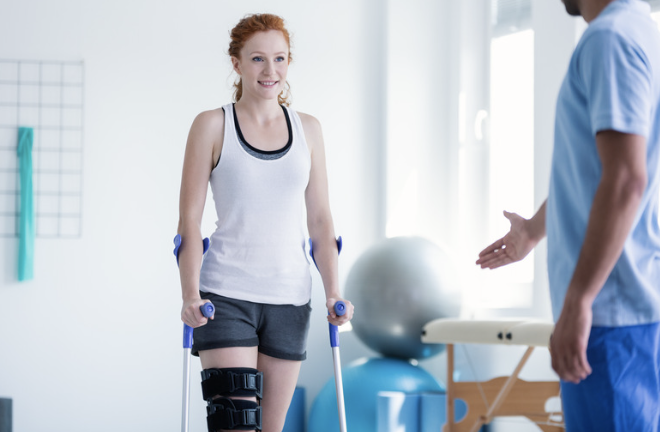 transitions to walking without assistive devices.
 -
Maintaining Mobility: Regular exercises to maintain joint mobility are an important part of rehabilitation. This includes stretching muscles, moving the joint through its full range of motion, and maintaining flexibility. The physical therapist may also use various methods such as massage, heat therapy, or electrical stimulation to improve mobility and reduce swelling.
-
Proper Prosthesis Use: The patient is instructed on how to properly use and care for the prosthesis. This includes proper application and removal, walking, sitting, and standing with the
 prosthesis, and avoiding jumping or excessive load on the joint. The patient also receives advice on maintaining good posture and distributing the load on the joint during movement.
 -
Psychological Support: Rehabilitation after joint replacement can be physically and emotionally demanding. It is important to have psychological support and motivation during this process. Patients may consult a psychologist or join support groups where they can share their experiences and receive support from others going through a similar situation.
Rehabilitation after joint replacement requires time, persistence, and cooperation with medical staff. It helps patients return to an active lifestyle and improve functionality and quality of life. It is important to follow specialists' recommendations and be patient, as the full recovery process can take several months. With proper rehabilitation, patients can achieve optimal results.
The Marusych Rehabilitation Center in Kryvyi Rih is renowned for its modern approaches to the rehabilitation of patients after joint replacement. It is a highly qualified medical facility specializing in providing rehabilitation services to patients who have undergone joint replacement surgery.
The Marusych Center offers individualized approaches to each patient, providing a comprehensive and personalized rehabilitation program. They have a team of highly qualified specialists, including physical therapists, massage therapists, and other professionals experienced in working with patients after joint replacement.
The Marusych Center uses modern methods and rehabilitation technologies that contribute to the effective restoration of the operated joint's functions.
In addition, the Marusych Center can provide patients with support and counseling during the rehabilitation process, as well as assist with dietary recommendations and lifestyle changes that promote faster recovery and overall improvement of the patient's condition.
