
 (097) 870-51-96
  (097) 481- 42- 23
 (095) 792- 99 - 08
Polyneuropathy is a group of neurological disorders characterized by damage to several nerve nodes or nerves throughout the body. It represents a serious medical problem as polyneuropathies can affect motor function, sensation, and the autonomic nervous system. In this article, we will discuss the main causes, symptoms, and treatment options for polyneuropathy.
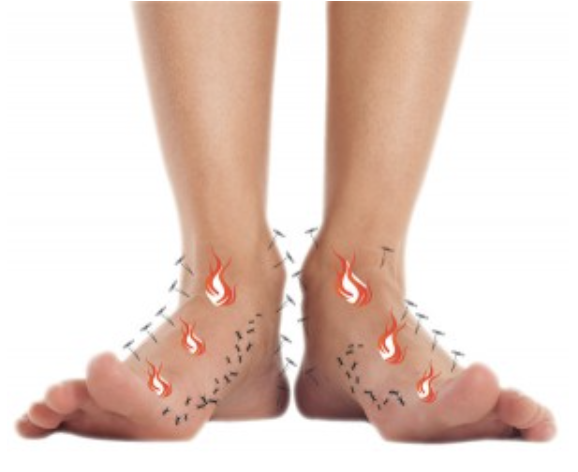
Causes of spine-related polyneuropathies include:
- Intervertebral disc herniation: Disc herniation can compress nerve roots, leading to polyneuropathy.
- Spondylosis: Degenerative spinal changes such as osteochondrosis or spondylosis can lead to compression of nerve structures and cause polyneuropathy.
- Spondylolisthesis: Displacement of one vertebra relative to another can cause compression of nerve roots.
- Spondylarthritis: Arthritic changes in the spine can lead to
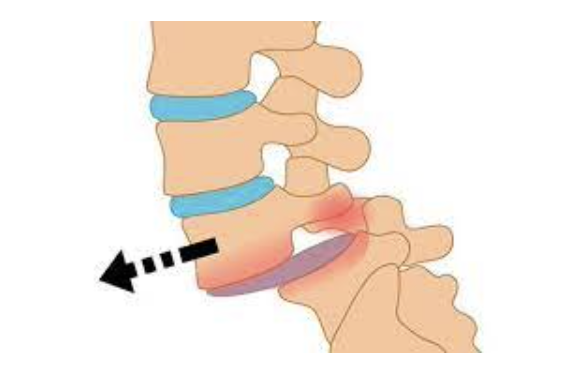 polyneuropathies due to compression of nerve structures.
 - Spinal trauma: Spinal injuries such as fractures or contusions can cause polyneuropathy.
Symptoms of spine-related polyneuropathy include:
- Pain in the back, neck, or limbs, which may radiate along the nerve pathway.
- Tingling, numbness, or loss of vibrational sensation in the limbs.
- Muscle weakness or decreased grip strength.
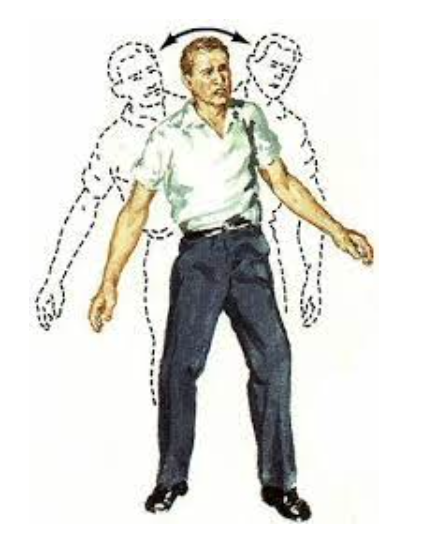
- Impaired coordination of movements or sudden changes in reflexes.
- Difficulty controlling bladder and bowel function.
- Loss of sensation in specific areas of the body.
Diagnosis of spine-related polyneuropathies involves:
- Medical examination and patient history collection.
- X-rays and computed tomography to assess the condition of the spine
 and detect possible injuries.
 - Magnetic resonance imaging (MRI) for detailed examination of spinal structures and identification of problems with nerve roots.
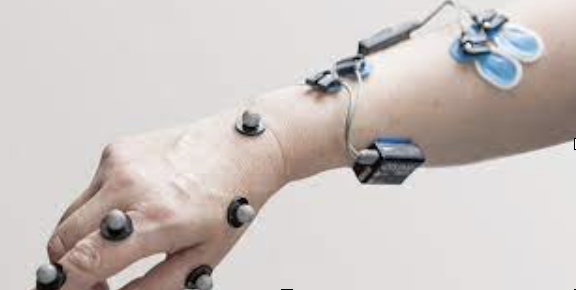
- Electromyography (EMG) to evaluate muscle electrical activity and nerve-muscle function.
Treatment methods for spine-related polyneuropathies include:
- Conservative treatment: This includes prescribing anti-inflammatory and pain-relieving medications to reduce pain and inflammation. Physiotherapy, massage, active rehabilitation, and physical therapy can also be helpful in improving function and reducing symptoms.
- Surgical intervention: In severe cases where conservative treatment does not yield positive results, surgical removal of compressed nerve structures, such as removing an intervertebral disc herniation or widening the nerve canal, may be recommended.
- Treatment of the underlying cause: If polyneuropathy is associated with a specific spinal problem, such as an intervertebral disc herniation, treatment should focus on addressing this issue.
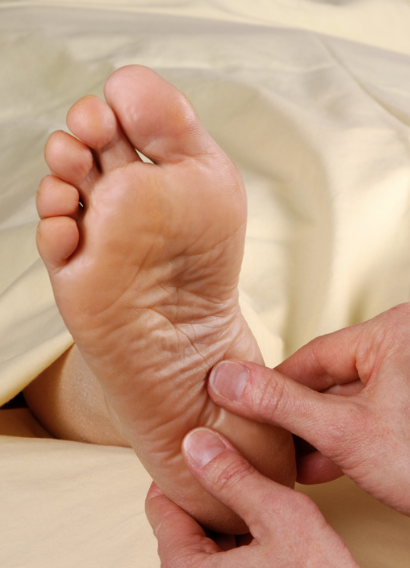
A special place in the treatment of spine-related polyneuropathies is occupied by therapeutic massage.
Therapeutic massage is one of the treatment methods for polyneuropathies that have arisen against the background of spine problems. This type of massage can be beneficial for improving blood circulation, relieving muscle tension, reducing pain, and improving the function of the nervous system.
The main advantages of therapeutic massage for spine-related polyneuropathies include:
- Improved blood circulation: Massage helps dilate blood vessels, which helps improve blood circulation and deliver oxygen and nutrients to damaged nerve tissues.
- Relief of muscle tension: Spinal problems such as intervertebral disc herniation or spondylosis can cause muscle tension, exacerbating pain and discomfort. Therapeutic massage helps relax muscles, relieve tension, and alleviate pain.
- Reduction of inflammation: Massage can help reduce inflammation in nerve tissues, which helps reduce pain and improve nervous system function.
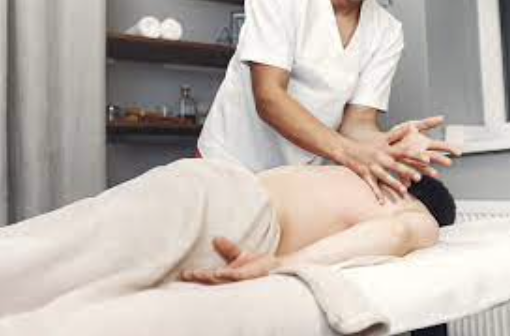
- Stimulation of nerve nodes: Some massage techniques aim to stimulate nerve nodes, which can help improve signal transmission in the nervous system.
In general, therapeutic massage can be a useful addition to a comprehensive approach to treating spine-related polyneuropathies. It aims to improve nervous system function, alleviate pain, and improve the patient's quality of life. However, before starting a massage course, be sure to consult a medical specialist to ensure that this metho
 d is suitable for you and does not contradict other aspects of your treatment.
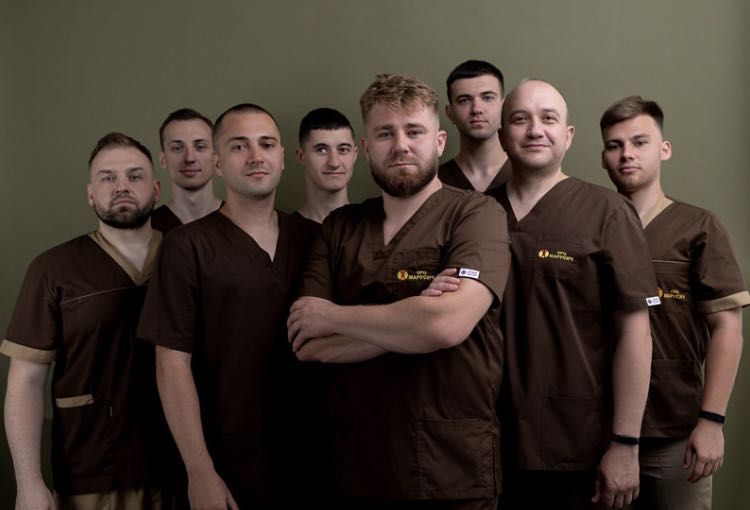
Our team of doctors and rehabilitation and physiotherapy specialists can provide consultation regarding your condition and help choose the optimal treatment plan.
Pain-free life - ORC "Marusich". Contact us!
