
 (097) 870-51-96
  (097) 481- 42- 23
 (095) 792- 99 - 08
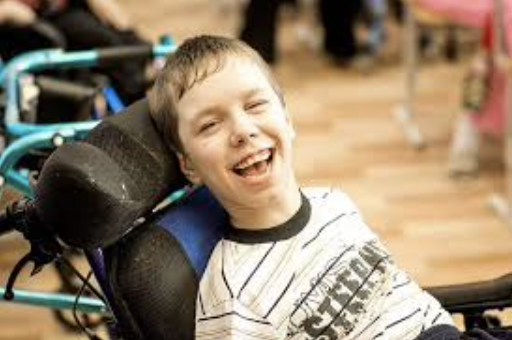 Cerebral palsy (CP) is one of the most common neurological disorders in children. This is a group of chronic motor and muscle disorders that occur as a result of brain damage at an early age, usually before birth or during the first years of life. The main forms of cerebral palsy include:
1. Spastic cerebral palsy:

- The most common form.
- It is characterized by increased muscle tension, which leads to restriction of movements and causes muscle stiffness.
2. Athetoid cerebral palsy:
- It is characterized by unpredictable, uncontrolled movements that can be caused by changes in the nervous system.
- It is characterized by increased muscle tension, which leads to restriction of movements and causes muscle stiffness.
2. Athetoid cerebral palsy:
- It is characterized by unpredictable, uncontrolled movements that can be caused by changes in the nervous system.

3. Atic (ataxic) cerebral palsy:
- This form is known for increased instability and inability to coordinate movements.
- This form is known for increased instability and inability to coordinate movements.

Signs and symptoms of cerebral palsy may include:
- Delay in the development of movements: The child may develop more slowly compared to his peers.
- Inability to control muscles: Children with cerebral palsy may have problems with movement, holding hands, walking, etc.
- Muscle weakness or tension: Muscle spasticity can cause tremors, limited movement and pain.
- Problems with coordination and balance: The child may have difficulties with maintaining balance and coordinating movements.
- Other problems: Intellectual disability, problems with speech, vision or hearing may also be present.
Treatment for cerebral palsy usually includes physical therapy, occupational therapy, drug therapy, and other approaches to improve the child's mobility and quality of life. It is important to start treatment as early as possible to achieve the best results.
For children with cerebral palsy (CP), there are a number of effective rehabilitation methods aimed at improving their mobility and quality of life. Some of the most effective rehabilitation methods for children with cerebral palsy include:
1. Physiotherapy:
- Physiotherapy includes exercises to improve muscle strength, flexibility and mobility.
- This method helps in improving motor skills and in reducing muscle tension.
2. Occupational therapy:
 - Occupational therapy is aimed at improving the child's ability to perform everyday tasks and develop self-care skills.
- This approach helps the child to become more independent and independent.
3. Therapeutic gymnastics:
- Specially selected exercises help in improving coordination of movements, increasing muscle strength and improving mobility.
4. Speech therapy:
- Speech therapy helps in restoring speech and communication skills.
- This method can be especially useful for children with cerebral palsy who have speech problems.
5. Technologies of rehabilitation:
- The use of modern technologies, such as robotic therapy or virtual rehabilitation, can help improve rehabilitation outcomes.
Remember that the effectiveness of rehabilitation methods may vary depending on the individual needs of each child with cerebral palsy. It is important to consult with a doctor and a rehabilitation specialist to develop an individualized rehabilitation program that best meets the needs of a particular child.
Cerebral palsy (CP) is one of the most common causes of impaired motor function in children. In the treatment of this condition, complex approaches play an important role, which include massage, physical therapy and physical procedures. These methods help improve functional capacity, reduce muscle spasticity, and improve the quality of life of children with cerebral palsy.
1. Massage:
- Massage plays an important role in the treatment of cerebral palsy, helping to reduce muscle spasticity and improve blood circulation.
- Light massage techniques help to relax muscles, reduce pain and improve mobility.
- Massage helps to improve flexibility and coordination of movements, which helps the child to perform movements more efficiently.
2. Therapeutic physical education:
Physical therapy plays a key role in the rehabilitation of children with cerebral palsy (CP). This set of exercises is aimed at improving muscle strength, flexibility, stability and coordination of movements. A carefully designed physical therapy program can lead to the following results:
1. Improvement of muscle strength:
- Regular exercises aimed at strengthening the muscles help improve the child's muscle strength.
- Increasing muscle strength can improve movement control and help perform movements more efficiently.
2. Improving flexibility and mobility:
- Physical therapy improves the flexibility of muscles and joints, which can facilitate the performance of various movements.
- Increased mobility can help a child adapt to different situations and improve their overall functionality.
3. Increasing stability and coordination of movements:
- Physical therapy exercises contribute to improving stability and coordination of movements, which helps in the performance of various tasks.
- Increased stability helps improve balance and reduce the risk of injury while moving.
4. General improvement of functionality:
- Physical therapy can lead to a general improvement in the functional capabilities of a child with cerebral palsy.
- It helps to increase independence, increase the level of activity and improve the quality of her life.
In general, physical therapy can be expected to improve the physical capabilities, coordination of movements, and general well-being of a child with cerebral palsy. Results can be seen in the form of improved movement control, increased activity and improved quality of life.
- Delay in the development of movements: The child may develop more slowly compared to his peers.
- Inability to control muscles: Children with cerebral palsy may have problems with movement, holding hands, walking, etc.
- Muscle weakness or tension: Muscle spasticity can cause tremors, limited movement and pain.
- Problems with coordination and balance: The child may have difficulties with maintaining balance and coordinating movements.
- Other problems: Intellectual disability, problems with speech, vision or hearing may also be present.
Treatment for cerebral palsy usually includes physical therapy, occupational therapy, drug therapy, and other approaches to improve the child's mobility and quality of life. It is important to start treatment as early as possible to achieve the best results.
For children with cerebral palsy (CP), there are a number of effective rehabilitation methods aimed at improving their mobility and quality of life. Some of the most effective rehabilitation methods for children with cerebral palsy include:
1. Physiotherapy:
- Physiotherapy includes exercises to improve muscle strength, flexibility and mobility.
- This method helps in improving motor skills and in reducing muscle tension.
2. Occupational therapy:
- Occupational therapy is aimed at improving the child's ability to perform everyday tasks and develop self-care skills.- This approach helps the child to become more independent and independent.
3. Therapeutic gymnastics:
- Specially selected exercises help in improving coordination of movements, increasing muscle strength and improving mobility.
4. Speech therapy:
- Speech therapy helps in restoring speech and communication skills.
- This method can be especially useful for children with cerebral palsy who have speech problems.
5. Technologies of rehabilitation:
- The use of modern technologies, such as robotic therapy or virtual rehabilitation, can help improve rehabilitation outcomes.
Remember that the effectiveness of rehabilitation methods may vary depending on the individual needs of each child with cerebral palsy. It is important to consult with a doctor and a rehabilitation specialist to develop an individualized rehabilitation program that best meets the needs of a particular child.
Cerebral palsy (CP) is one of the most common causes of impaired motor function in children. In the treatment of this condition, complex approaches play an important role, which include massage, physical therapy and physical procedures. These methods help improve functional capacity, reduce muscle spasticity, and improve the quality of life of children with cerebral palsy.
1. Massage:
- Massage plays an important role in the treatment of cerebral palsy, helping to reduce muscle spasticity and improve blood circulation.
- Light massage techniques help to relax muscles, reduce pain and improve mobility.
- Massage helps to improve flexibility and coordination of movements, which helps the child to perform movements more efficiently.
2. Therapeutic physical education:
Physical therapy plays a key role in the rehabilitation of children with cerebral palsy (CP). This set of exercises is aimed at improving muscle strength, flexibility, stability and coordination of movements. A carefully designed physical therapy program can lead to the following results:
1. Improvement of muscle strength:
- Regular exercises aimed at strengthening the muscles help improve the child's muscle strength.
- Increasing muscle strength can improve movement control and help perform movements more efficiently.
2. Improving flexibility and mobility:
- Physical therapy improves the flexibility of muscles and joints, which can facilitate the performance of various movements.
- Increased mobility can help a child adapt to different situations and improve their overall functionality.
3. Increasing stability and coordination of movements:
- Physical therapy exercises contribute to improving stability and coordination of movements, which helps in the performance of various tasks.
- Increased stability helps improve balance and reduce the risk of injury while moving.
4. General improvement of functionality:
- Physical therapy can lead to a general improvement in the functional capabilities of a child with cerebral palsy.
- It helps to increase independence, increase the level of activity and improve the quality of her life.
In general, physical therapy can be expected to improve the physical capabilities, coordination of movements, and general well-being of a child with cerebral palsy. Results can be seen in the form of improved movement control, increased activity and improved quality of life.

3. Physiological procedures:
- Physiotherapy includes various methods, such as electrical muscle stimulation, hydrotherapy, ultrasound therapy and others.
- These procedures help to reduce pain, improve blood circulation and restore the functions of muscles and joints.
A combination of these methods as part of an individualized rehabilitation program can help children with cerebral palsy improve motor skills, learn to perform daily tasks, and improve their quality of life. It is important that the treatment is aimed at the individual needs of each child and is carried out under the supervision of qualified specialists.
In the city of Kryvyi Rih, there is a modern rehabilitation center of ORC "Marusych", which specializes in the rehabilitation of patients after injuries, strokes, diseases of the musculoskeletal system of the body, and also deals with the treatment of cerebral palsy (CP).
This center offers a wide range of services aimed at restoring patients' functional capabilities and improving their quality of life. Individual and group rehabilitation programs are carried out, which include massage, physical therapy, and physical procedures.
The rehabilitation center of ORC "Marusych" is equipped with modern equipment and has a team of qualified specialists who provide an individual and comprehensive approach to each patient. Their efforts are aimed at achieving maximum results in the process of rehabilitation and maintaining the health of patients.
This center is an important resource for people with various health problems who need professional help to restore function and improve their quality of life.
