
 (097) 870-51-96
  (097) 481- 42- 23
 (095) 792- 99 - 08
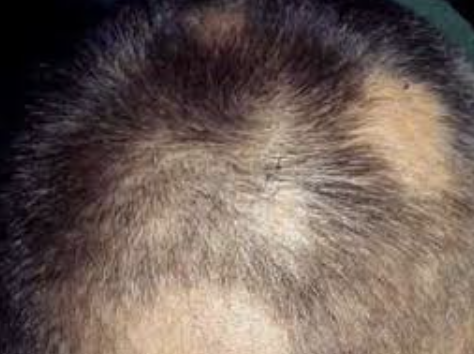
Alopecia areata, also known as androgenetic alopecia or male pattern baldness, is one of the most common types of hair loss in both men and women. This disease is characterized by a gradual loss of hair, usually in the pubic region, parietal part and heights.
 Causes of alopecia areata
Alopecia areata is caused by the action of the hormone dihydrotestosterone (DHT) on hair follicles. In people with hypersensitive follicles to DHT, the hair may become thin and short, and eventually fall out altogether. Genetics also play an important role in the development of this disease.
Symptoms of alopecia areata
Symptoms of alopecia areata include gradual loss of hair, especially in the pubic and parietal areas, and in men a "bald patch" may occur on the parietal area. In women, hair loss can be distributed evenly over the entire head.
Alopecia areata is a serious disease that can significantly affect the quality of life. Identification of the causes of hair loss and timely treatment are key to successful management of this condition. Contact a trichologist for an individualized consultation and treatment plan.
The role of a trichologist in the treatment of alopecia areata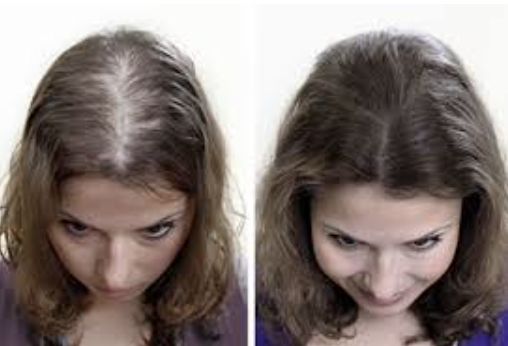
A trichologist is a hair and scalp specialist who specializes in the diagnosis and treatment of hair-related problems. The role of a trichologist in the treatment of alopecia areata is to carry out a comprehensive approach to the diagnosis and treatment of this disease.
 The role of a trichologist in the treatment of alopecia areata includes:
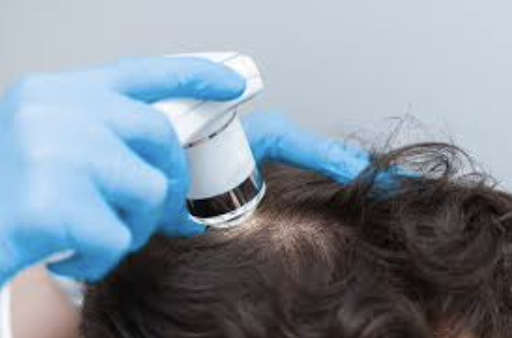
1. Diagnosis: A trichologist conducts a detailed analysis of the condition of the hair and scalp, determines the causes of hair loss and recommends the necessary tests to establish a diagnosis.
2. Development of an individualized treatment plan: Based on the results of the diagnosis, the trichologist develops an individualized treatment plan, which may include medications, laser therapy procedures, dietary changes, and other methods.
3. Monitoring and adjustment of treatment: The trichologist monitors the patient's response to treatment, makes adjustments to the therapy plan depending on effectiveness and individual characteristics.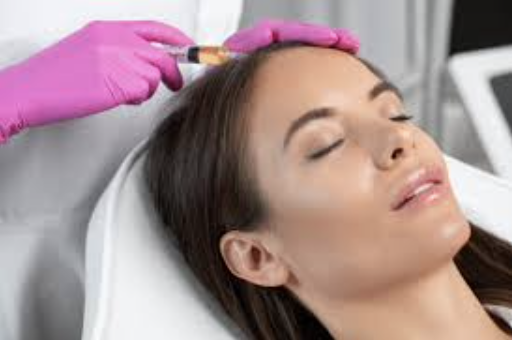
Treatment methods for alopecia areata that a trichologist can recommend:
1. Minoxidil: A drug for external use that helps stop hair loss and stimulates hair growth.
2. Finasteride: A drug that blocks the action of dihydrotestosterone, which can lead to an improvement in the condition of the hair.
3. Laser Therapy: Laser therapy treatments can improve blood circulation in the scalp and stimulate hair growth.
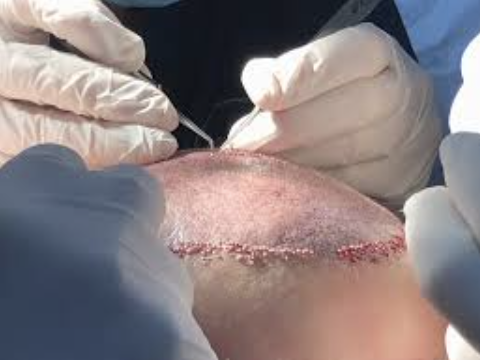
4. Hair transplantation: A surgical method of hair restoration that may be recommended in severe cases of alopecia areata.
A trichologist plays an important role in the treatment of alopecia areata, providing patients with professional diagnosis and individualized treatment aimed at restoring hair health and improving quality of life. It is important to consult a qualified trichologist for help in the fight against alopecia areata.
Qualified trichologist Olesya Yuryivna Marusych lives in the city of Kryvyi Rih, who works at the "Marusych" rehabilitation center. As a hair and scalp specialist, she provides d iagnostic and treatment services for a variety of conditions, including alopecia areata.
Thanks to her experience and professionalism, Olesya Yuriivna Marusych helps patients with hair loss to find effective methods of treatment and restoration of their hair health. Her work at the "Marusych" rehabilitation center is aimed at providing comprehensive support and hair care, providing an individual approach to each client.
Turning to a qualified trichologist, such as Olesia Yuryivna Marusych, can be a key step in solving hair problems and achieving the desired results in the treatment of alopecia areata.
Causes of alopecia areataAlopecia areata is caused by the action of the hormone dihydrotestosterone (DHT) on hair follicles. In people with hypersensitive follicles to DHT, the hair may become thin and short, and eventually fall out altogether. Genetics also play an important role in the development of this disease.
Symptoms of alopecia areata
Symptoms of alopecia areata include gradual loss of hair, especially in the pubic and parietal areas, and in men a "bald patch" may occur on the parietal area. In women, hair loss can be distributed evenly over the entire head.
Alopecia areata is a serious disease that can significantly affect the quality of life. Identification of the causes of hair loss and timely treatment are key to successful management of this condition. Contact a trichologist for an individualized consultation and treatment plan.
The role of a trichologist in the treatment of alopecia areata
A trichologist is a hair and scalp specialist who specializes in the diagnosis and treatment of hair-related problems. The role of a trichologist in the treatment of alopecia areata is to carry out a comprehensive approach to the diagnosis and treatment of this disease.
The role of a trichologist in the treatment of alopecia areata includes:1. Diagnosis: A trichologist conducts a detailed analysis of the condition of the hair and scalp, determines the causes of hair loss and recommends the necessary tests to establish a diagnosis.
2. Development of an individualized treatment plan: Based on the results of the diagnosis, the trichologist develops an individualized treatment plan, which may include medications, laser therapy procedures, dietary changes, and other methods.
3. Monitoring and adjustment of treatment: The trichologist monitors the patient's response to treatment, makes adjustments to the therapy plan depending on effectiveness and individual characteristics.
Treatment methods for alopecia areata that a trichologist can recommend:
1. Minoxidil: A drug for external use that helps stop hair loss and stimulates hair growth.
2. Finasteride: A drug that blocks the action of dihydrotestosterone, which can lead to an improvement in the condition of the hair.
3. Laser Therapy: Laser therapy treatments can improve blood circulation in the scalp and stimulate hair growth.
4. Hair transplantation: A surgical method of hair restoration that may be recommended in severe cases of alopecia areata.
A trichologist plays an important role in the treatment of alopecia areata, providing patients with professional diagnosis and individualized treatment aimed at restoring hair health and improving quality of life. It is important to consult a qualified trichologist for help in the fight against alopecia areata.
Qualified trichologist Olesya Yuryivna Marusych lives in the city of Kryvyi Rih, who works at the "Marusych" rehabilitation center. As a hair and scalp specialist, she provides d
iagnostic and treatment services for a variety of conditions, including alopecia areata.Thanks to her experience and professionalism, Olesya Yuriivna Marusych helps patients with hair loss to find effective methods of treatment and restoration of their hair health. Her work at the "Marusych" rehabilitation center is aimed at providing comprehensive support and hair care, providing an individual approach to each client.
Turning to a qualified trichologist, such as Olesia Yuryivna Marusych, can be a key step in solving hair problems and achieving the desired results in the treatment of alopecia areata.
